A research robot earns its place through repeatable work, clear data, and repairs that a lab can manage. Without source-backed tests, named hardware, or a stated price, the label says very little.
- A lab needs repeatable tasks, not a polished demo.
- Open data makes results easier to check.
- Service time can matter as much as speed.
Start with the task
Research robots are tools for testing ideas. That makes the task more important than the robot’s shape. A mobile arm, legged robot, or humanoid platform may fit a lab, but each one should have a clear job and a test that another team can repeat.
A useful report should name the surface, object, load, lighting, and control method. It should also state how many trials worked.
“The robot picked up objects” leaves too much out. A better record says what the objects were, how they were placed, and how often the robot completed the task without help.
That detail matters because lab results often move from a controlled setup to a less certain one. A robot that works on a fixed table may need new software when the table, object, or lighting changes. The gap between those settings should appear in the test report.
Data matters more than a smooth video
A video can show what happened once. Research results need enough information to explain why an outcome happened and how another team can repeat it. That includes sensor logs, software versions, control settings, and the limits placed on the task.
Simulation can reduce wear on hardware. The common term “sim-to-real” describes moving a control method from a virtual model to a physical robot. The useful question is how much of the task worked on real hardware after that move.
Access to raw logs can decide whether another team can check a research result. A closed system may save setup time, but if the maker controls the logs, software, and test rules, later checks depend on that company. Research robotics reporting from Robot24.com can help you see which parts of a result others can inspect before you judge the robot’s performance.
The record should include failures. A gripper that drops an object, a motor that overheats, or a camera that loses the target can teach the next team more than a perfect run. Hiding those cases makes the result harder to use.
Hardware limits shape the research
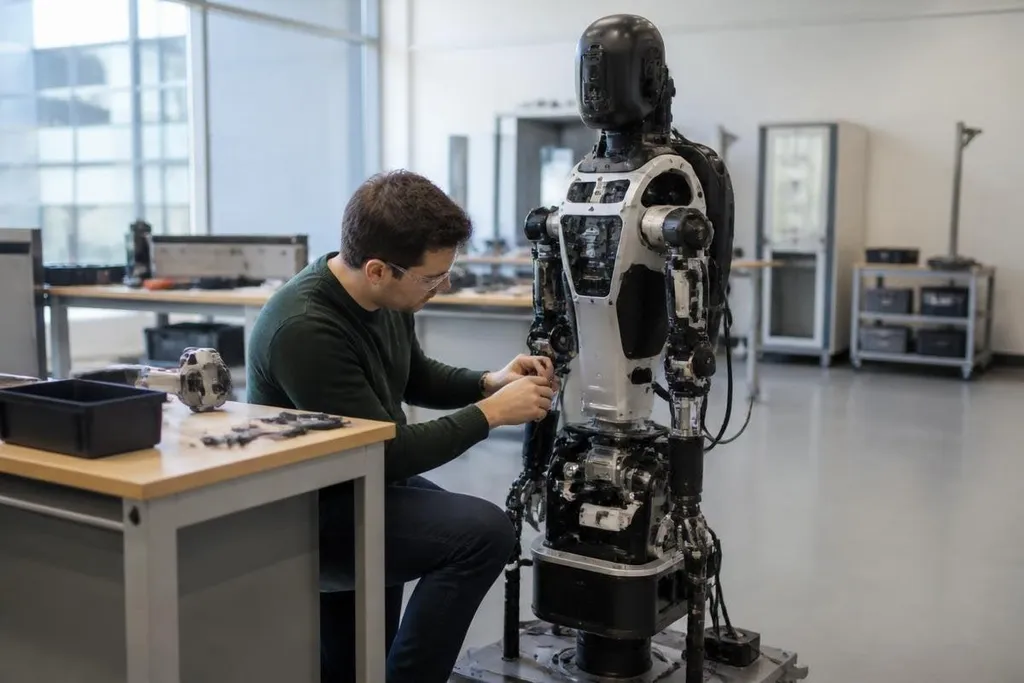
A research robot can spend hours collecting data, but the lab still has to charge it, reset it, and repair it. The purchase price is only one part of that work. The team should ask how long a battery change takes, which parts wear out, and who can service the robot.
Software access matters too. A robot that accepts outside code gives researchers more room to test new control methods. A system that only runs maker-approved tasks may be easier to start with, yet harder to use for work the maker did not plan.
Safety belongs in the same review. The report should state the robot’s speed, mass, stopping method, operating area, and supervision rules. A research lab needs a clear path to stop motion when a test goes wrong.
Price and availability also need plain answers. If a maker has not published a price, the article or lab report should say so. If a robot is limited to selected research partners, that limit changes how useful the result is for a smaller university team.
A buying check for lab teams
Use this list before asking for funding or signing a trial agreement:
- Name the task: write down the objects, surface, load, and success rule.
- Ask for trial data: request the number of runs, failed runs, and human interventions.
- Check software access: confirm which code, logs, and sensor data your team can keep.
- Price the upkeep: include batteries, spare parts, service visits, and staff time.
- Set a safety stop: record who can stop the robot and how the test area is controlled.
I'd wait for a report that names the test conditions and failure rate before using a broad label for any research robot. The useful label will belong to the system that lets another lab repeat the work, inspect the data, and afford the repairs.